Introduction
Solar panels play a key role in solar systems by converting sunlight into electrical energy. Given the variety of available technologies, choosing the most suitable type of panel for your needs is essential. In this article, we provide a comprehensive review of different types of solar panels, their advantages, disadvantages, and applications.
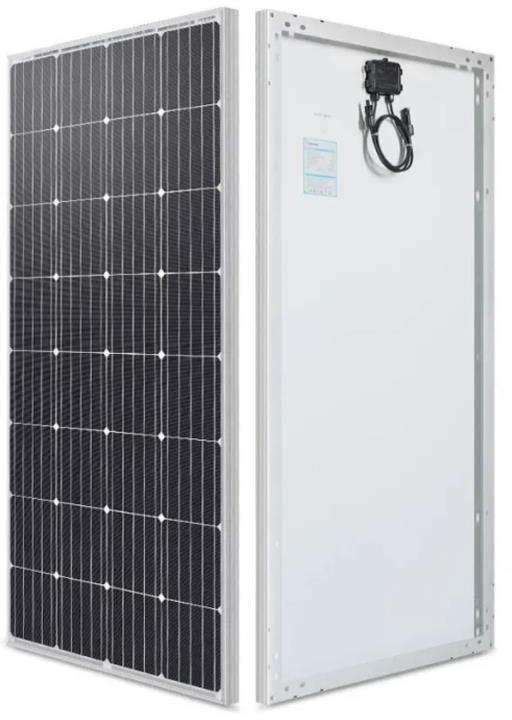
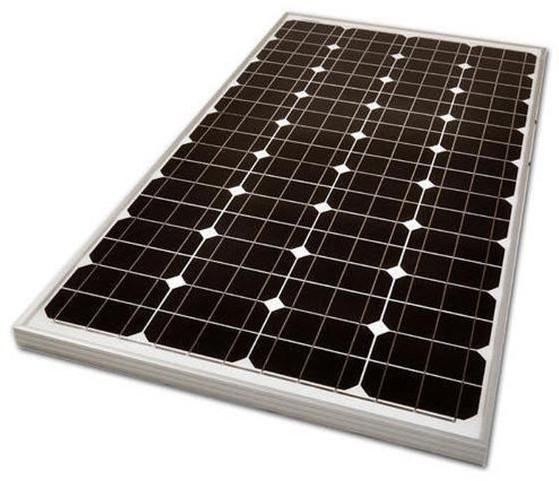
Visual Identification:
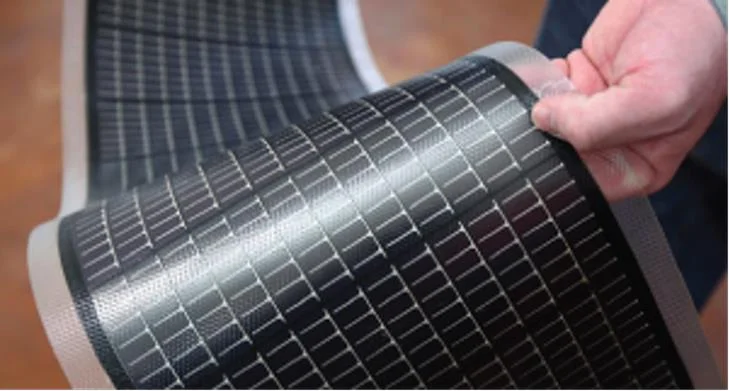
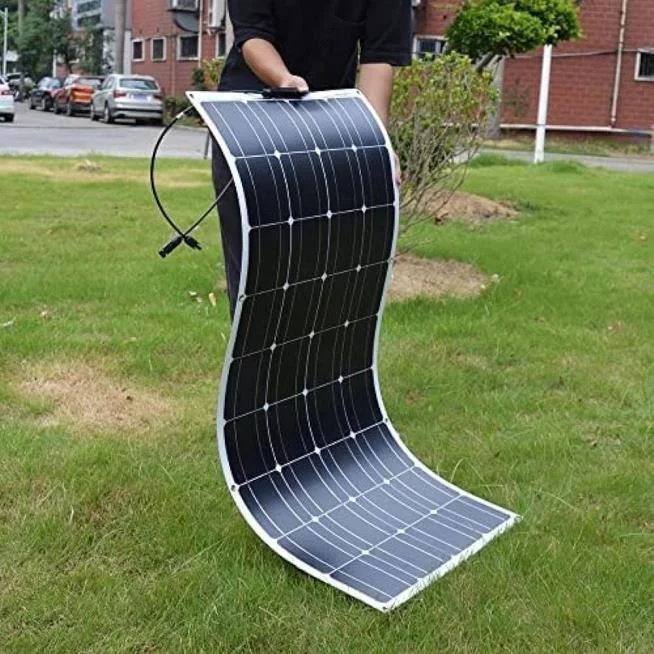
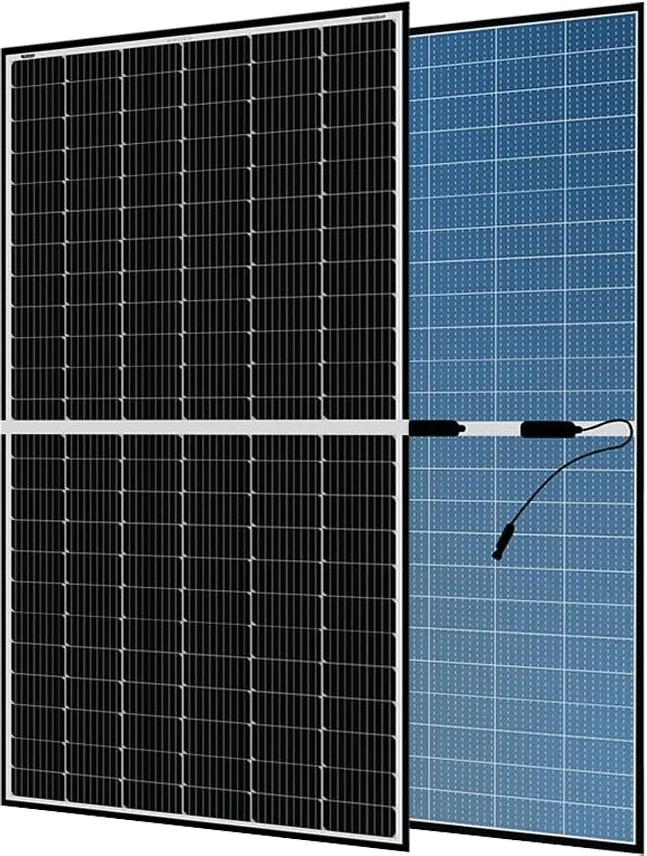
Uniform black cells with a cohesive and homogeneous structure, rounded cell edges
Advantages:
High efficiency – 18–22%
Long lifespan (usually over 25 years)
Better performance in low-light conditions
Disadvantages:
Higher cost
Silicon waste during manufacturing
Applications:
Residential rooftops with limited space
Commercial projects requiring high efficiency

References
National Renewable Energy Laboratory (NREL) International Energy Agency (IEA)
Solar Energy Industries Association (SEIA)