

Introduction
On-grid solar systems, also known as grid-tied systems, represent one of the most efficient and cost-effective methods for harnessing solar energy. These systems allow users to generate electricity from solar panels while remaining connected to the main utility grid. This technical guide explores the components, functionality, benefits, and considerations of on-grid solar systems, providing a comprehensive understanding for potential adopters.
- Understanding On-Grid Solar Systems
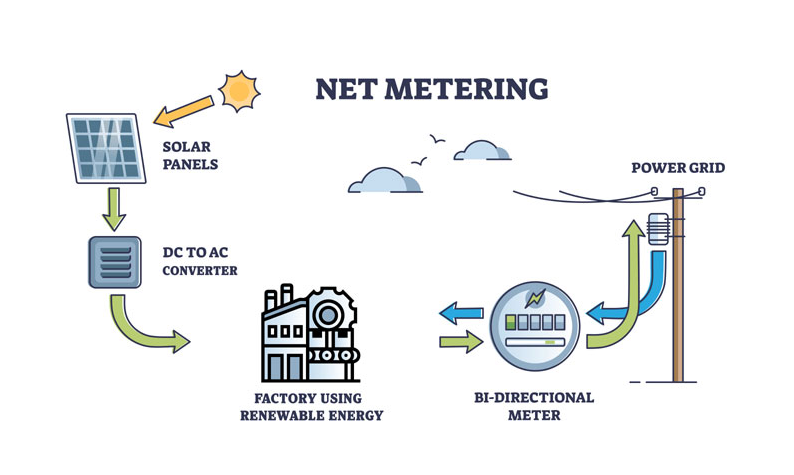
An on-grid solar system operates by converting sunlight into electricity through photovoltaic (PV) panels and feeding it directly into the utility grid. Unlike off-grid systems, on-grid systems do not require battery storage, making them simpler and more affordable. The system works in tandem with the grid, drawing power when solar generation is insufficient and exporting excess electricity when production exceeds consumption. - Key Components of an On-Grid Solar System
2.1 Solar Panels
- Function: Convert sunlight into direct current (DC) electricity.
- Types: Monocrystalline, polycrystalline, and thin-film panels.
- Efficiency: Ranges between 15% and 22%, depending on the technology.
2.2 Grid-Tie Inverter
- Function: Converts DC electricity from the panels into alternating current (AC) compatible with the grid.
- Features: Synchronizes frequency and voltage with the grid and includes anti-islanding protection to shut down during grid outages.
2.3 Mounting Structures and Balance of System (BOS)
- Mounting Systems: Ground-mounted, rooftop, or solar tracking structures.
- BOS Components: Wiring, circuit breakers, and disconnect switches for safety and efficiency.
2.4 Bidirectional Meter
- Function: Measures electricity imported from and exported to the grid.
- Purpose: Enables net metering, allowing users to receive credits for surplus energy.
- How On-Grid Solar Systems Work
- During daylight hours, solar panels generate DC electricity, which is converted to AC by the inverter and used to power appliances.
- Excess electricity is fed into the grid, and the bidirectional meter records the export.
- At night or during cloudy days, electricity is drawn from the grid to meet energy needs.
- Net metering policies ensure users are billed only for their net electricity consumption.
- Advantages of On-Grid Solar Systems
4.1 Cost-Effectiveness
- Lower upfront costs due to the absence of batteries.
- Reduced electricity bills through net metering.
4.2 Energy Efficiency
- No energy loss associated with battery storage.
- High system efficiency, with performance ratios often exceeding 80%.
4.3 Environmental Benefits
- Reduces reliance on fossil fuels, lowering carbon emissions.
- Promotes the use of clean, renewable energy.
4.4 Scalability
- Systems can be easily expanded to meet growing energy demands.
- Technical Considerations
5.1 Grid Dependency
- On-grid systems do not provide power during grid outages unless paired with battery backup.
5.2 Regulatory Compliance
- Must adhere to local grid codes and utility regulations.
- Requires approval from utility companies for interconnection.
5.3 System Sizing
- Proper sizing based on energy consumption patterns and available roof space.
- Oversizing may lead to regulatory challenges, while undersizing reduces financial returns.
5.4 Maintenance
- Regular cleaning of panels and inspection of electrical components.
- Monitoring system performance to ensure optimal operation.
- Financial Incentives and ROI
- Government Subsidies: Many countries offer tax credits, rebates, or feed-in tariffs.
- Net Metering: Allows users to offset electricity costs with surplus generation.
- Return on Investment (ROI): Most systems achieve payback periods of 5–7 years, depending on local conditions.
- Future Trends
- Smart Inverters: Enhanced grid support capabilities, such as voltage and frequency regulation.
- Hybrid Systems: Integration with battery storage for backup power and peak shaving.
- Virtual Power Plants (VPPs): Aggregating multiple on-grid systems to support grid stability.
Conclusion
On-grid solar systems offer a practical and economically viable solution for adopting renewable energy. By leveraging grid connectivity and net metering policies, users can significantly reduce electricity costs while contributing to environmental sustainability. As technology advances and regulatory frameworks evolve, on-grid solar systems will continue to play a pivotal role in the global transition to clean energy.
Call to Action
Interested in transitioning to solar energy? Consult with a certified solar installer to design a customized on-grid system tailored to your energy needs and local regulations.